
Arizona Bench Warrant Search
Bench warrants in Arizona get issued when you miss court or break the rules a judge set. These warrants let cops arrest you and bring you before the court. Arizona has free statewide warrant search tools through DPS and the court system that cover all 15 counties and over 150 courts. While sites like Busted Mugshots show old arrest photos, they don't give you current warrant status or tell you how to fix the problem. Use official state tools to check for active warrants before you have contact with law enforcement.
How Arizona Bench Warrants Work
A bench warrant gets its name from the judge's bench. It means the court issued the warrant, not the police. These warrants come from court problems like missing your court date, not paying fines, or breaking probation rules. The Arizona Judicial Branch runs the court system that issues these warrants.
When you miss court, the judge looks at your case file and signs a bench warrant. Court staff put it in the state computer system right away. Law enforcement across Arizona can see it within hours. That means any cop in the state can arrest you once the warrant is in the system. It happens fast.
Cops treat bench warrants like arrest orders. During traffic stops, they check for warrants through their car computers. Background checks for jobs show active warrants too. That can cost you job offers. Dealing with warrants before you get picked up makes sense. It shows the court you're being responsible.
Free Arizona Warrant Search Tools
The Arizona Department of Public Safety Warrant Search is free to use online. You type in a first name, last name, and date of birth. The system shows up to five warrants if it finds any. It tells you which agency issued the warrant and what type it is.
This tool has some limits. The database doesn't update in real time. Brand new warrants might not show up right away. Courts can pull warrants without telling the state system immediately. No results doesn't mean you're definitely clear. Very recent warrants might not be in the system yet. Always check with the court if you're not sure.
The Arizona Public Access to Court Case Information system covers 153 of the state's 180+ courts. It's free to use. Updates happen weekly on Fridays. You can search by name, date of birth, case number, or county. The system shows case details like hearing dates and what happened in your case.
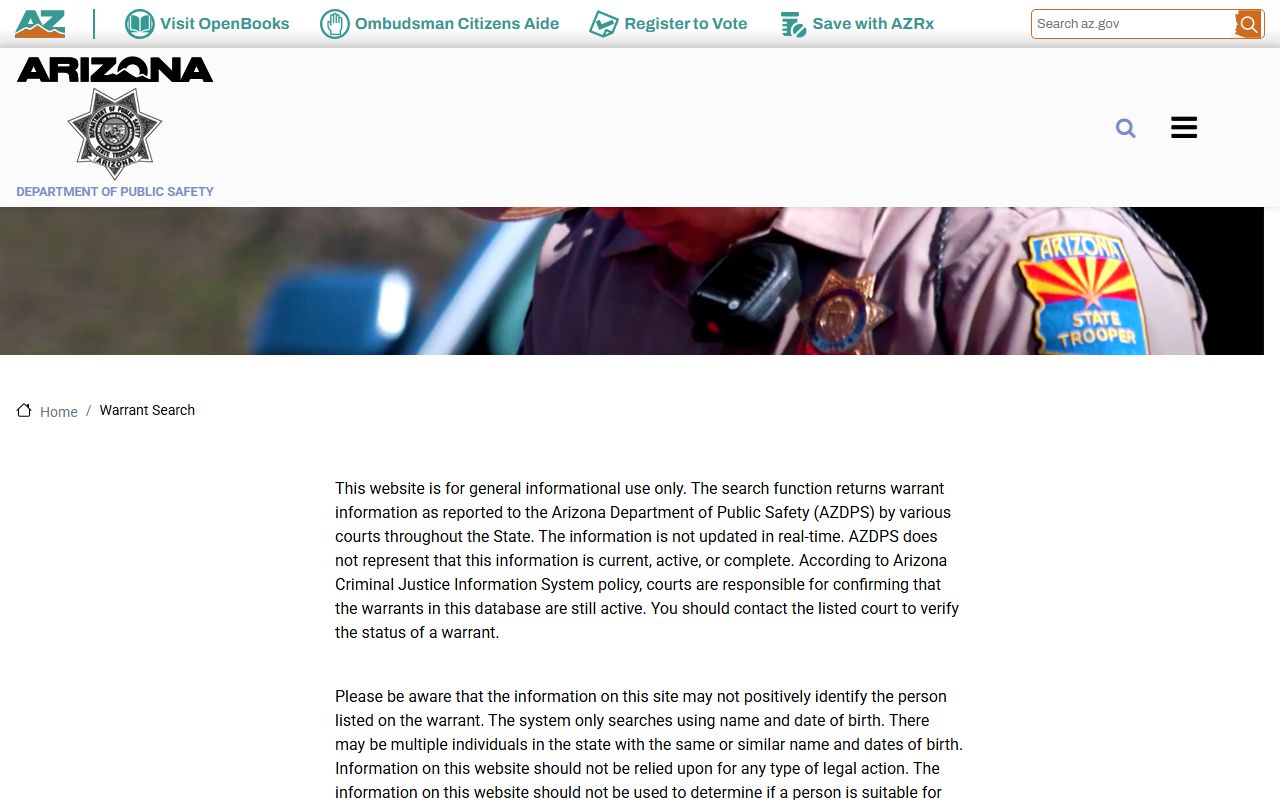
The DPS warrant search is easy to use. The design is simple. You don't need tech skills. The search form takes partial info, but full names and birth dates work best. More complete information gives you better results.
Why Courts Issue Warrants
Courts issue bench warrants for specific violations under Arizona law. A.R.S. § 13-2507 covers failure to appear for felony cases. That's a Class 5 felony that can get you prison time. A.R.S. § 13-2506 handles misdemeanor failures to appear. Those are Class 1 or 2 misdemeanors.
Common reasons for bench warrants:
- Missing court dates for criminal or civil cases
- Not paying court-ordered fines
- Breaking probation rules
- Not finishing court-ordered programs or classes
- Contempt of court
A.R.S. § 13-3903 says court clerks must file charges when you break a written promise to appear. The law treats signed promises as binding. There are real consequences if you don't show up.
Note: Only the court that issued a bench warrant can pull it or cancel it.
How to Clear Your Warrant
You clear a bench warrant by going to the court that issued it or working with them through legal channels. Many counties offer self-surrender programs. You can turn yourself in voluntarily. That usually gets you better treatment than getting arrested. The Maricopa County Self-Surrender Program lets you schedule a time that works for you.
Getting a lawyer helps. Attorneys can file motions to pull warrants if there are problems with how they were issued. They can talk to prosecutors about deals. They go to court with you. The Arizona Self-Service Center has forms and guides if you're handling things without a lawyer.
Money matters when you're resolving warrants. Courts might let you set up payment plans for fines. They might let you do community service instead of paying cash. Some fees can be waived if you're broke. Arizona Law Help connects low-income people with free legal aid.
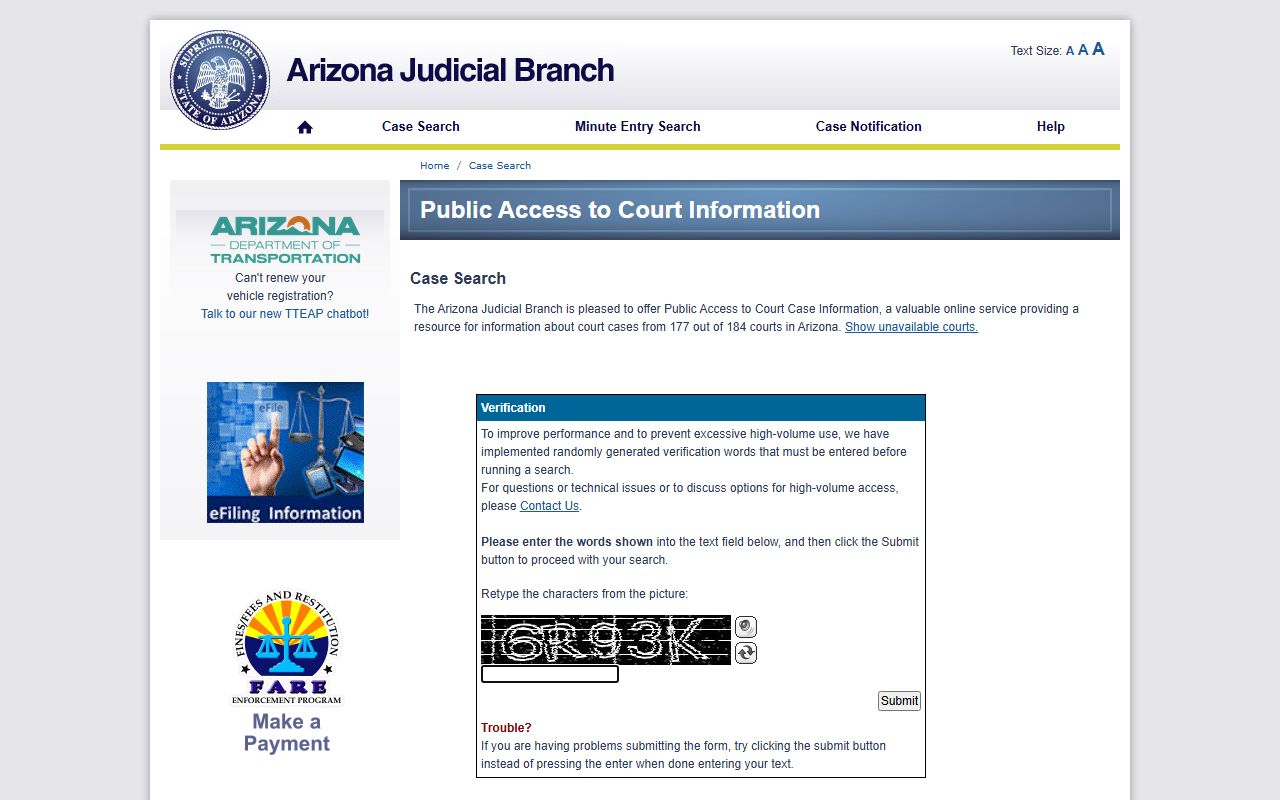
The public case lookup shows how Arizona court records connect. Cases can involve multiple courts or different agencies. Knowing how the system works helps you figure out what to do about your warrant.
County Warrant Resources
All fifteen Arizona counties have their own systems for tracking warrants. Big counties like Maricopa and Pima have online search tools. Smaller counties might need you to call or visit in person. Knowing which county issued your warrant tells you where to look and how to fix it.
County Sheriff's Offices keep track of active warrants. They execute warrants and run databases of who has them. Most sheriffs let the public check warrant info. They know that helping people find out about warrants before they get arrested makes sense for everyone.
County Superior Courts have the official records for all warrants issued in their area. Court Clerks can give you certified copies of warrant documents and court records. These offices also take payments for fines and fees when you resolve a warrant.
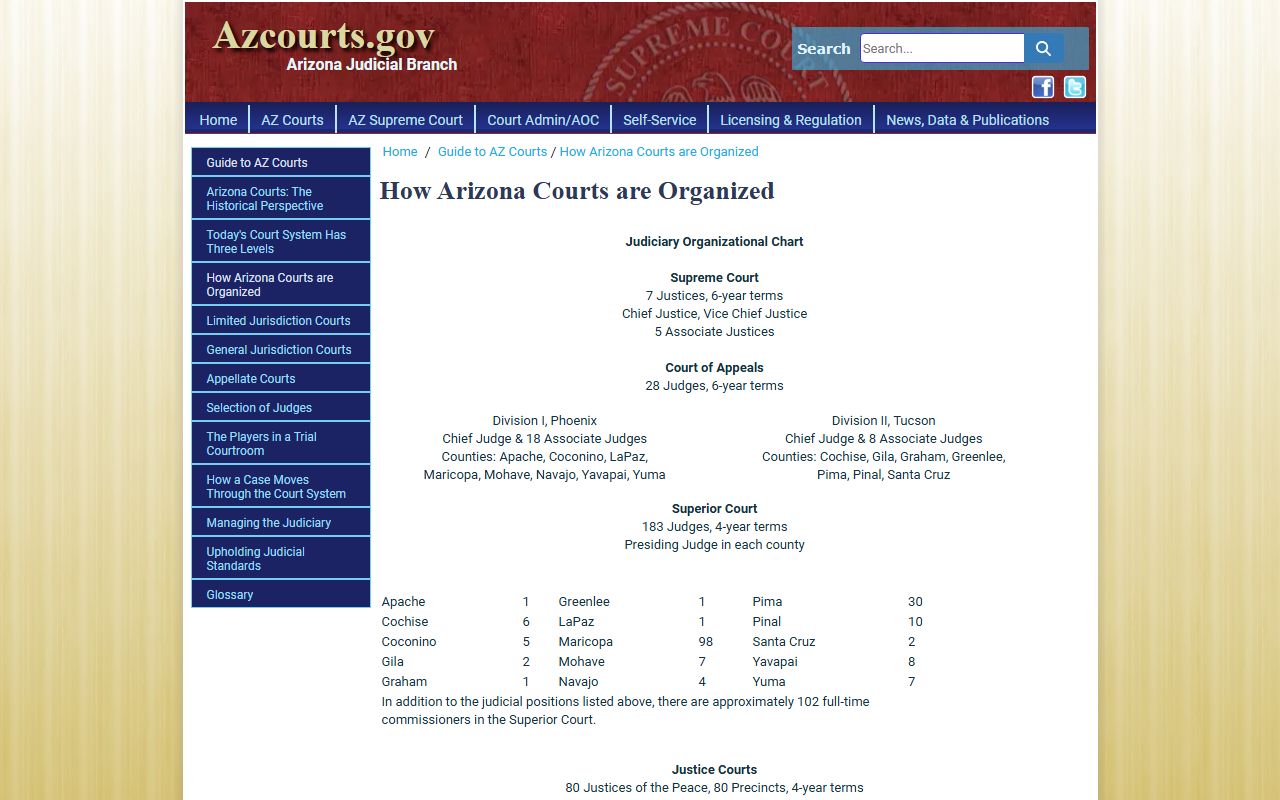
The court structure diagram shows how warrants move through Arizona courts. Municipal courts serve cities. Justice Courts cover county areas. Superior Courts handle the most serious cases. Knowing this helps you figure out which court has your case.
City Court Warrants
Arizona cities over fifty thousand people have municipal courts that issue bench warrants for city code violations and misdemeanors. These courts handle traffic tickets, noise complaints, and minor crimes that happen inside city limits. Each city court runs its own show with its own way of resolving warrants.
Big cities like Phoenix, Tucson, Mesa, Chandler, and Scottsdale have online systems for warrant searches and payments. You can check warrant status, schedule court dates, and fix problems without going to the courthouse. Smaller cities might need you to call or visit in person.
City court warrants usually mean smaller fines than county warrants. But cops can still arrest you just the same. Police pick people up on city warrants during patrols and traffic stops. Clearing these warrants fast prevents getting arrested and stuck in jail.
The Arizona Revised Statutes are the legal foundation for all warrant procedures. City courts follow state law while also handling local ordinances. This dual system creates consistent standards across Arizona's cities.
Important Things to Know
Online warrant databases have limits. They might not show recent changes. Brand new warrants from the past few days might not be there yet. Warrants that courts just pulled might still show up. Always check with the court directly before you make travel plans or legal decisions based on online searches.
Warrants stay active forever until you resolve them. They don't expire like some other court things do. A warrant from twenty years ago still works and still lets cops arrest you. Courts keep records of old warrants even when they can't prosecute the original charge anymore.
Only the court that issued a warrant can tell you for sure if it's still active. Court clerks can confirm if a warrant is still out there. They can explain what the charges are. They can tell you what you need to do to fix it. Calling the court directly prevents you from acting on old or wrong information.
The DPS fugitive apprehension unit works statewide to find people with outstanding warrants. They work with local cops and federal agencies to catch fugitives. This shows how serious unresolved warrants are.