
Find Bench Warrants in Cochise County
Bench warrants in Cochise County get issued in Bisbee when you miss court or break rules a judge set. Sheriff Mark Dannels runs law enforcement in this border area. When a warrant is signed, it goes live in the system. Any cop who runs your name will see it. That means arrest during traffic stops. While Busted Mugshots posts old booking photos, those don't tell you about active warrants. Check with the county courts or Sheriff's Office at 520-803-3550 for real info on warrant status.
Cochise County Sheriff Warrant Records
The Cochise County Sheriff's Office keeps track of all active bench warrants issued within the county. Sheriff Mark Dannels oversees operations from 205 N Judd Drive in Bisbee. You can reach them at 520-803-3550 or use the toll-free line at 800-362-0812. They work with the courts to make sure warrants get entered into the state system right away.
When a judge signs a bench warrant, it goes into the county database. Deputies can see it when they pull up your name. That means any traffic stop or contact with law enforcement could lead to arrest if you have an active warrant. The sheriff's office doesn't just handle warrants from Superior Court. They also track ones from Justice Courts and city courts in the area. All those warrants end up in the same system, which law enforcement checks daily.
You can ask about warrant status through the Sheriff's public records request form. This is the official way to get information about active warrants or past records. The form goes to the records division, which handles all requests according to state law.
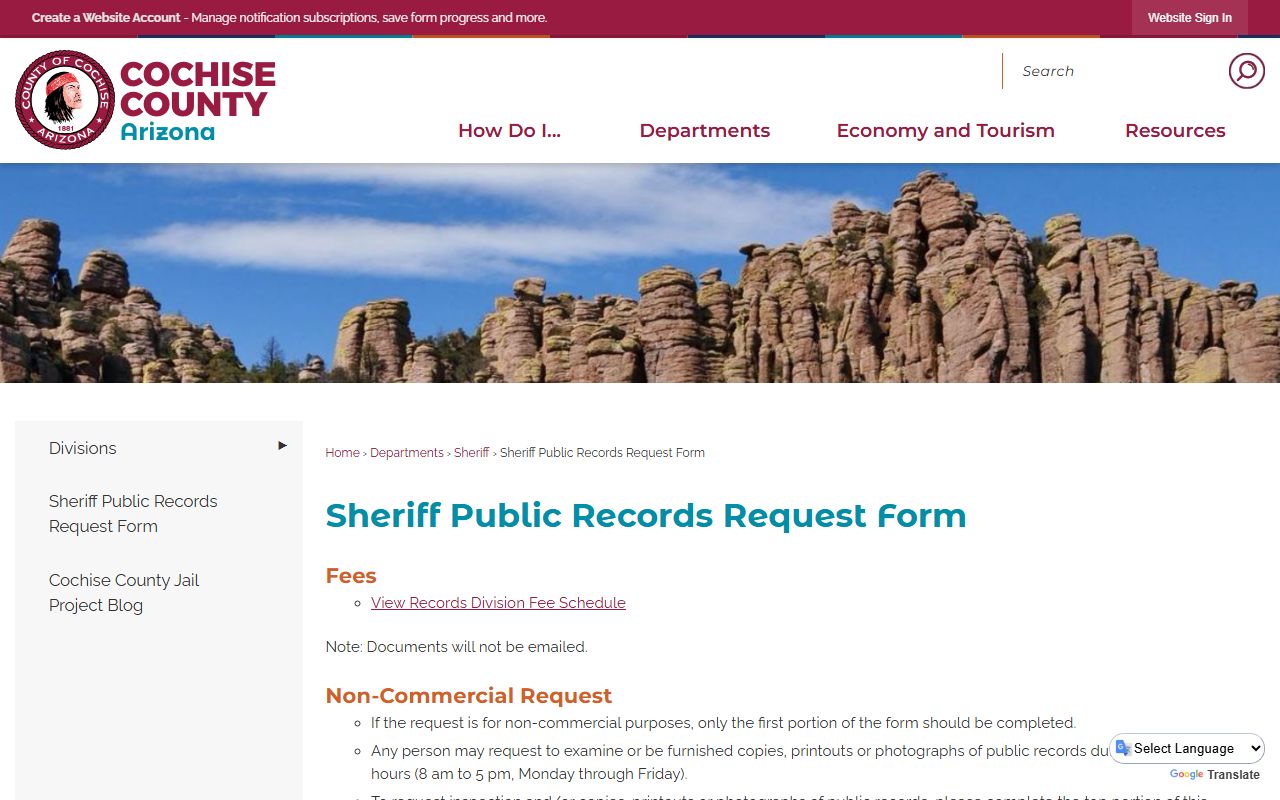
The public records form lets you ask for specific documents or general warrant checks. You fill it out online and submit it through their system. Response time varies based on how busy the office is and what kind of records you need.
Cochise Superior Court Records
Felony bench warrants come from the Clerk of the Superior Court in Bisbee. This office keeps all the court records for serious criminal cases. When someone fails to appear on a felony charge, the judge issues a bench warrant that goes straight to law enforcement. The Clerk's office can tell you if you have an active warrant in Superior Court. They handle requests in person, by phone, or through their online portal. Court records include case numbers, charges, and warrant details. Getting a copy of your own record costs money, but just asking if a warrant exists might not require payment depending on how you ask.
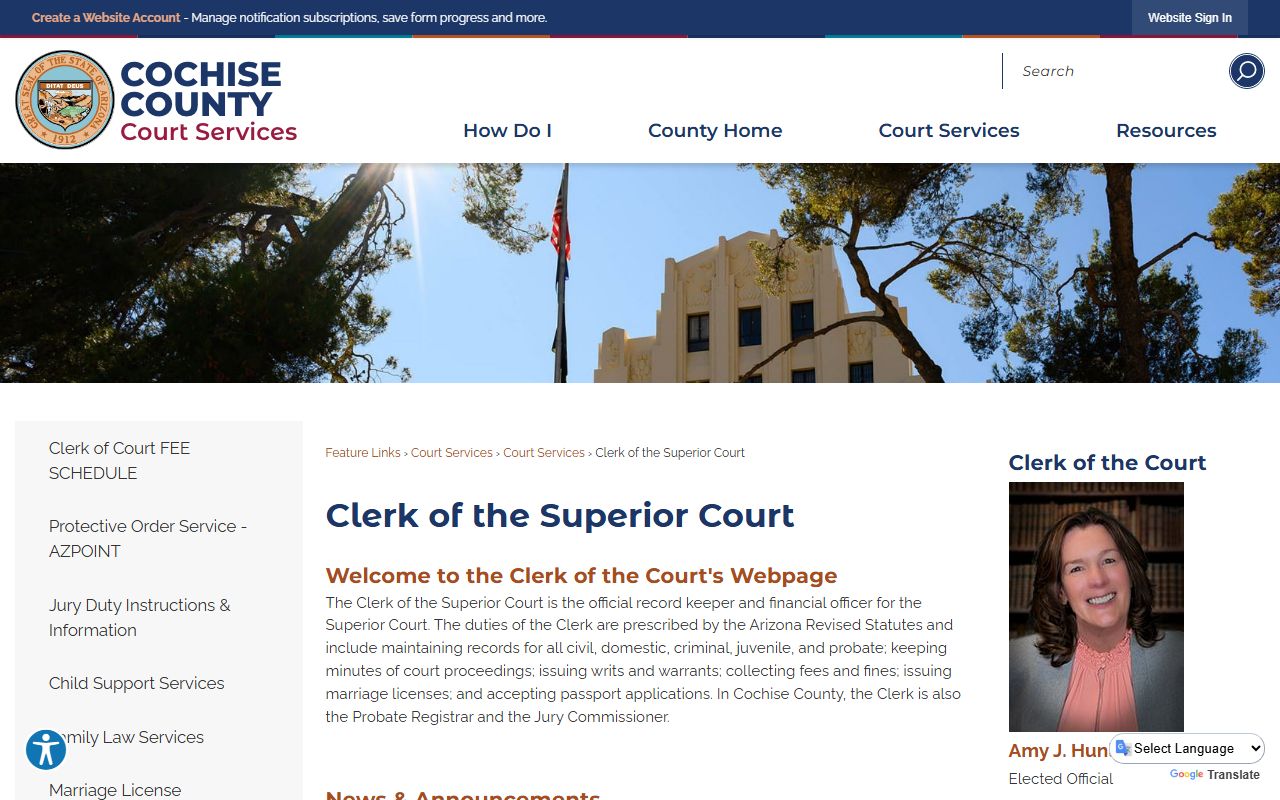
The Clerk's page shows office hours and contact details. You can see what services they offer and how to request court documents. Many people check here first when they think they might have a warrant from an old case. The office staff can search by name and date of birth to find any open warrants tied to your identity.
Court records are public in most cases. That means anyone can request information about criminal cases and active warrants. However, some records get sealed or restricted based on the nature of the case or court orders. The Clerk's office will tell you if a record is available when you make your request.
Bench Warrant Fees and Costs
Getting records from Cochise County costs money. The search fee is thirty dollars. Copies cost fifty cents per page if you want paper. Digital copies run seven dollars per document. If you use the eAccess system, each document costs ten bucks.
These fees cover the county's costs for staff time and materials. Payment methods vary by office. Some take cards, others want checks or cash. Call ahead to find out what they accept before you go in person. The search fee applies even if they don't find anything. You're paying for their time to look through the records. If you have a case number already, the search goes faster and might cost less in some situations.
Note: Fees can change, so verify current costs with the office before submitting payment.
How Warrants Work in This County
A bench warrant starts when you miss court or violate a condition the judge set. The judge signs the warrant and it becomes active right away. The Clerk enters it into the computer system that law enforcement uses statewide. From that point on, any cop who pulls up your name will see the warrant. Most bench warrants in Cochise County come from failure to appear on misdemeanor or felony charges, probation violations, or not paying court-ordered fines. Once issued, the warrant doesn't go away on its own. You have to deal with it through the court that issued it. Turning yourself in usually works out better than getting arrested during a traffic stop. When you self-surrender, you can often post bond faster and get in front of a judge without sitting in jail for days waiting for transport.
Some people try to ignore warrants and hope they go away. That doesn't work. Warrants stay in the system indefinitely. They show up on background checks for jobs and housing. They can mess up your driver's license and make it hard to travel. The longer you wait, the worse it gets. Interest and fees pile up on fines. New charges can get added for failure to appear. Judges don't like it when people run from their cases.
Working with a lawyer helps when you have an active warrant. An attorney can contact the court and try to arrange a voluntary appearance. Sometimes they can get the warrant pulled before you even show up. That means you go to court without getting arrested. Other times, you have to turn yourself in and post bond. Either way, having legal help makes the process smoother.
Statewide Warrant Search Tools
Arizona offers free statewide warrant search tools that cover Cochise County. The Arizona DPS Warrant Search at https://www.azdps.gov/warrant-search lets you search by name and date of birth. It pulls from the state database that all law enforcement agencies use. Keep in mind this system isn't updated in real time, so it might not show brand new warrants right away.
Another option is Arizona Public Access to Court Information at https://apps.azcourts.gov/publicaccess/caselookup.aspx. This covers over 153 courts across the state including Cochise County courts. You can search by name, case number, or location. The system updates weekly, so recent warrants might not appear immediately. Neither of these tools replace checking directly with the court or sheriff's office, but they give you a good starting point. If you find a warrant listed, contact the issuing court to verify it's still active and find out your options for resolving it.
Resolving Warrants
You fix a bench warrant by dealing with the court that issued it. Call the court and explain you want to clear the warrant. They'll tell you what to do next. Options include setting a new court date, paying fines, or turning yourself in. Each case is different based on the original charge and how long the warrant has been active.
Most courts prefer when you come in voluntarily. It shows you're taking responsibility. The judge is more likely to give you a reasonable bond or even let you out on your own recognizance. If you wait until you get arrested, you sit in jail until they can transport you to court. That could be days or even a week depending on the schedule. Self-surrender means you control when and how you deal with the warrant instead of letting it control you.