
Graham County Warrants
Bench warrants in Graham County get issued in Safford when you skip court or break rules a judge set. Sheriff P.J. Allred and his deputies can arrest you once a warrant is signed. The county includes Safford, Pima, and Thatcher in southeastern Arizona. Any cop who runs your name will see the warrant. While Busted Mugshots shows old booking photos, it won't tell you if there's still an active warrant. Call the Sheriff at 928-428-3141 or the courts to check warrant status.
Graham Sheriff Bench Warrant Records
Sheriff P.J. Allred runs the Graham County Sheriff's Office from 600 W. Graham Canal Road in Safford. The main phone number is 928-428-3141. This office tracks all active bench warrants in the county and works with the courts to enter them into the statewide system as soon as they're signed.
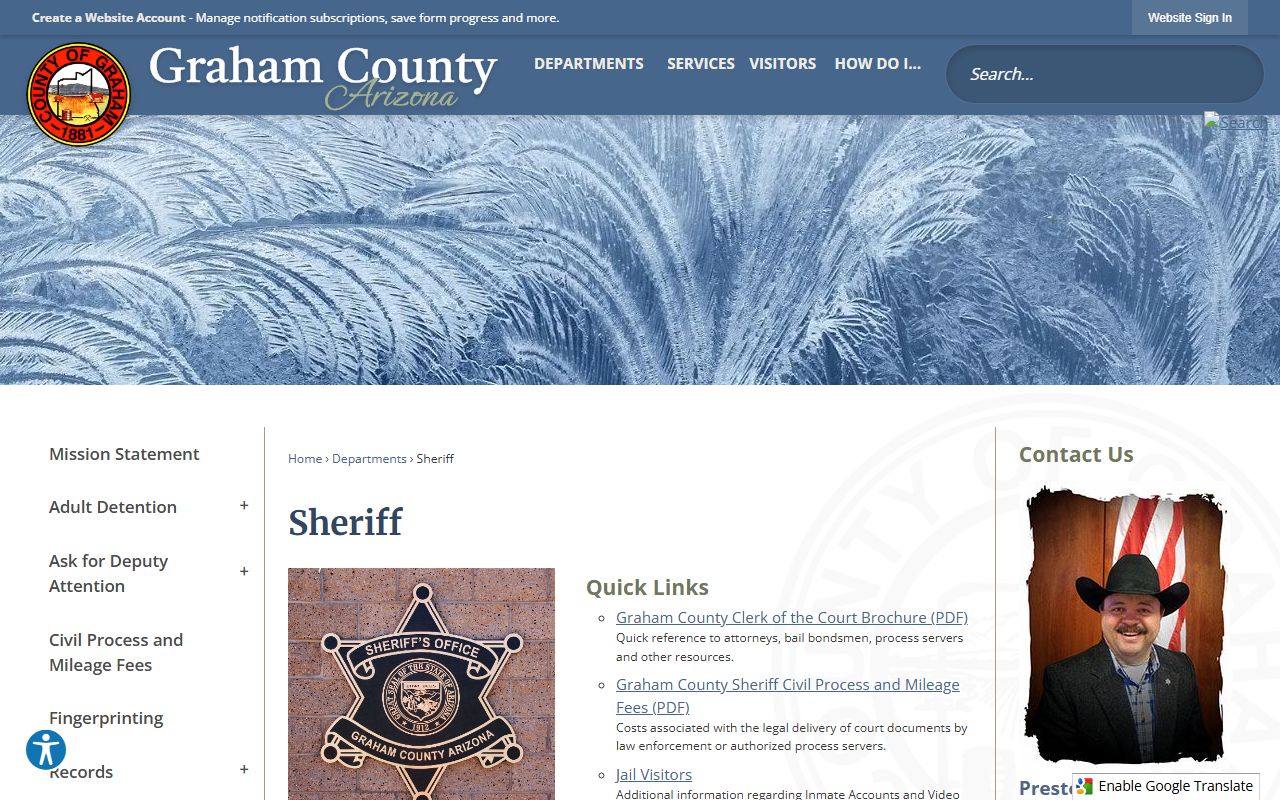
The Sheriff's Office page shows contact details and services they offer. You can find information about how to request records, report issues, and get answers to common questions about warrants and other law enforcement matters.
When you call the Sheriff's Office about a warrant, have your full name and date of birth ready. They need that to search the system. They can tell you if there's an active warrant and which court issued it. Once you know which court has your case, you can contact them to find out what you need to do to clear the warrant. Don't put it off. Warrants don't go away on their own.
Graham Superior Court and Clerk
The Clerk of the Superior Court handles records for felony cases at 800 W Main Street in Safford. Phone number is 928-428-3100. When someone misses a felony court date, the judge issues a bench warrant that the Clerk's office enters into the system. These are serious warrants because they involve felony charges. If you think you might have a felony warrant, don't wait. Contact the court or get a lawyer to help you deal with it before you end up in custody.
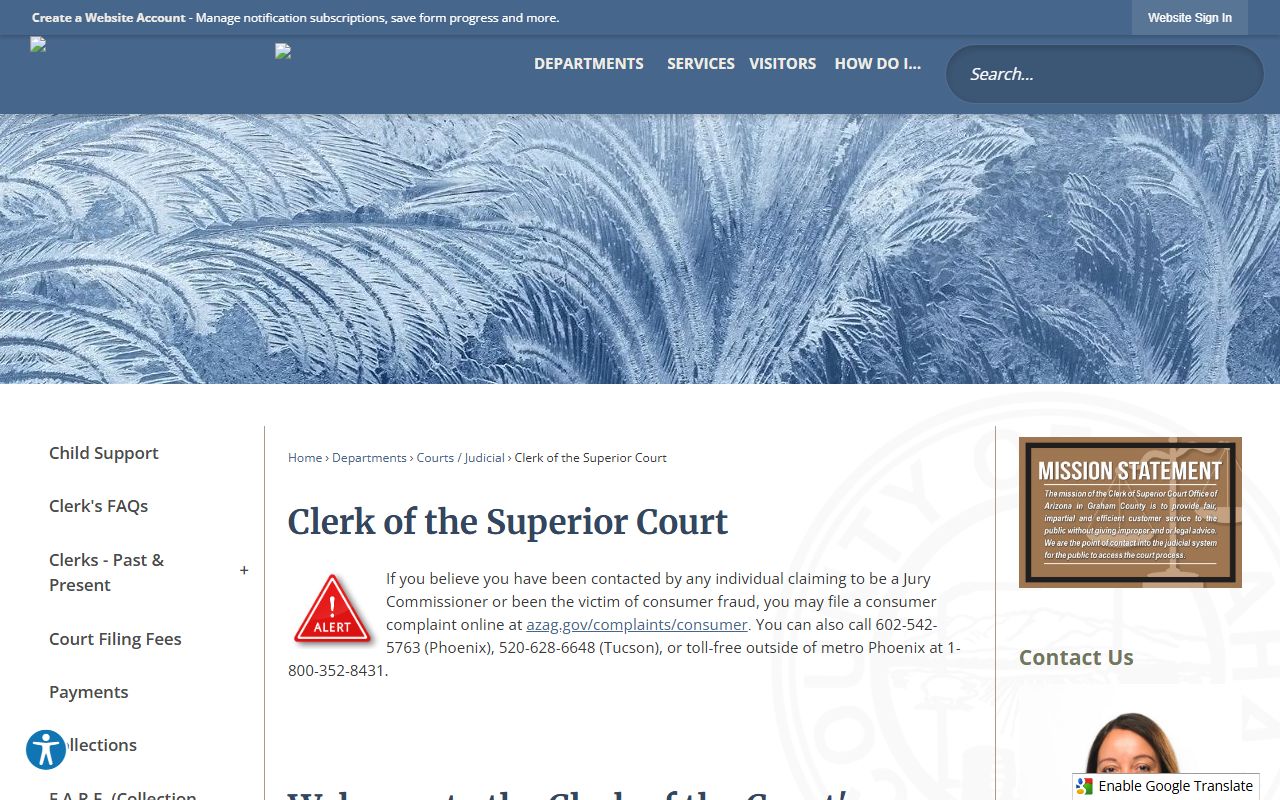
The Clerk's page explains how their office works. You can see what services they provide and how to request court documents. They keep files on every Superior Court case including active warrants. Requesting information costs money based on the county's fee schedule.
Graham County Superior Court also offers online payment at www.azcourtpay.com. There's a five dollar flat fee to use the online system. This can be handy if you need to pay fines related to a case, but it doesn't necessarily clear a bench warrant. You still have to deal with the court directly if there's a warrant issued for failure to appear or other violations.
Graham County Record Fees
Records requests in Graham County cost money. Search fees run thirty dollars. Paper copies cost fifty cents per page. Digital copies are seven dollars per document. These fees help cover the cost of staff time and materials.
Payment is required before they process your request. Call ahead to find out what payment methods they accept. Some offices take cards, others want checks or cash. If you're mailing a request, include a check or money order for the right amount. They won't start working on your request until payment is received.
Note: Free warrant checks over the phone may be available for basic yes or no answers, but official record copies require payment.
Warrant Types in Graham
Three main types of warrants get issued in Graham County. Bench warrants come from the judge's bench when you fail to appear or violate court orders. Arrest warrants get issued when there's probable cause you committed a crime. Body attachments compel you to appear for things like jury duty or probate matters. All three types authorize law enforcement to take you into custody and bring you before the court. Bench warrants are the most common. They happen when you miss court, break probation rules, or fail to pay court-ordered fines. The judge signs the warrant and it becomes active immediately. From that point on, any contact with law enforcement can result in arrest. Deputies don't have discretion once they see an active warrant in the system. They have to take you in.
Arrest warrants are different because they involve new criminal activity. These come from investigations where law enforcement presents evidence to a judge and asks for a warrant to arrest someone for a crime. Once signed, arrest warrants work just like bench warrants in terms of authorizing law enforcement to pick you up.
Body attachments are less common but just as serious. Courts use these to compel attendance when regular notices don't work. If you ignore a jury summons or fail to appear for a probate hearing, the court might issue a body attachment to make sure you show up. These get treated like warrants and allow for arrest and custody until you can be brought before the judge.
Free Statewide Warrant Searches
Arizona DPS maintains a free warrant search tool at https://www.azdps.gov/warrant-search. You enter your name and date of birth. The system checks the statewide database that all law enforcement uses. It shows up to five warrants if any exist under your name. Keep in mind the system isn't updated in real time. Brand new warrants might take a day or two to show up.
Another option is the Arizona Public Access to Court Information system at https://apps.azcourts.gov/publicaccess/caselookup.aspx. This covers over 153 courts including Graham County's courts. You can search by name, case number, or location. The system updates weekly. It shows case details, court dates, and whether warrants were issued. Both tools are free to use and give you a starting point for checking your warrant status. Neither one replaces direct contact with the court or sheriff's office, but they help you know what you're dealing with before you make that call.
Justice Courts
Graham County has Justice Courts that handle misdemeanor criminal cases and traffic violations. These courts issue bench warrants just like Superior Court does, but for less serious offenses. A misdemeanor warrant is still a real warrant. Deputies will arrest you if they find it during a stop or other contact.
Each Justice Court keeps its own records. A warrant from one Justice Court won't necessarily show up if you check with another court. You need to verify with each court where you had cases. Most Justice Courts are small operations with limited hours. Call ahead to find out when they're open and what information they need to check for warrants.
Clearing Warrants
You clear a bench warrant by dealing with the court that issued it. Call the court first. Tell them you have a warrant and want to resolve it. They'll explain your options. You might need to post bond. You might need to set a new court date. You might be able to pay fines if that's all it takes for your case.
Self-surrender is smarter than waiting to get arrested. When you turn yourself in, you control when it happens. You can bring bail money. You can have family or friends ready to help. The judge sees you're being responsible. That usually leads to better treatment than getting picked up by surprise and stuck in jail until they can get you to court.
Lawyers help with warrant resolution. They can call the court on your behalf. They can file motions to pull the warrant. They can arrange for you to appear without getting arrested. If you have to turn yourself in, they can be there with you to speed up the process. Legal help costs money, but it's worth it when you're dealing with active warrants and potential jail time.